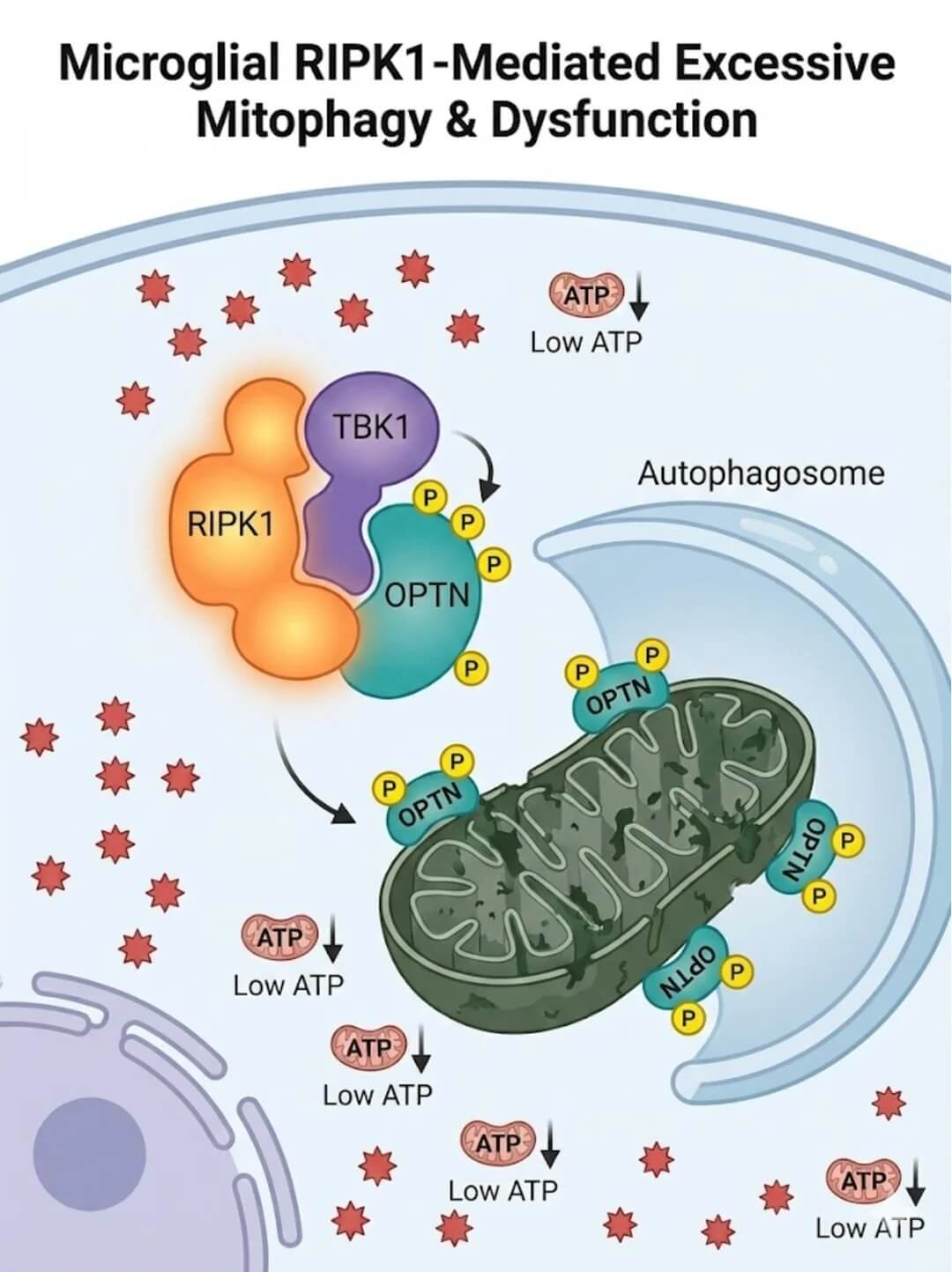
Nano Banana Scientific Illustration: Evidence, Prompts and Review
Use Nano Banana to draft a mechanism diagram or graphical abstract after you have verified the scientific relationships. Visual polish cannot establish that a pathway, label or conclusion is correct.
Extract evidence before drawing
Provide material you are permitted to use. Separate direct observations from proposed mechanisms and check the source passages yourself.
Use only the supplied source text. Do not add mechanisms from memory.
Return a table: entity | relationship | target | source passage | observed or proposed.
Preserve exact gene, protein, species and cell names.
Write "not stated" when evidence is missing.
List unresolved questions for the researcher. Do not generate an image yet.
Source: [paste permitted source material]
Convert the approved relationships into an image prompt
Do not use the ambiguous name “Nano Banana 2 Pro”: record the actual model shown by your service. The template below organizes a draft; it is not an accuracy benchmark or a promise of a publication-ready figure.
Create a scientific diagram draft using only these verified relationships.
Context: [organism, cell/tissue, experimental condition].
Entities and compartments: [approved list].
Relationships: [source -> target; activation/inhibition/transport; evidence ID].
Uncertain relationships: [omit or show with dashed arrows].
Labels: use only [exact approved label list].
Layout: [left to right / top to bottom], clear compartment boundaries.
Do not invent entities, pathways, statistics, numerical results or citations.
Review the draft systematically
| Check | What to verify |
|---|---|
| Entities | Exact approved names, organism and experimental condition |
| Arrows | Direction and activation, inhibition or transport supported by the evidence |
| Compartments | Correct cell boundaries, tissue locations and spatial relationships |
| Labels and numbers | Spelling, units, subscripts and values checked against the source |
| Uncertainty | Hypotheses remain distinguishable from observations |
Revise structure first, labels second and styling last. If repeated generation keeps changing a relationship, redraw that element manually instead of accepting a plausible-looking mistake.
Mechanism diagram or graphical abstract?
A mechanism diagram explains supported relationships. A graphical abstract summarizes the study question, approach and main finding. Do not turn a proposed mechanism into a confirmed result merely to simplify the layout.
Is the result an editable vector file?
A generated bitmap is not automatically a layered SVG, PowerPoint or Illustrator document. Rebuild labels and critical arrows in an editing tool when needed. Inspect any traced vector output rather than assuming the conversion preserves meaning. Check the target journal’s figure and AI disclosure requirements before submission.
What should a reproducible example include?
Save the source evidence, approved relationship table, prompt, model, settings, output and correction log. This guide provides a workflow and templates; it does not claim a timed experiment or verified scientific accuracy.
Continue learning
Model names and available options: Google image generation documentation. Checked on 21 October 2026; use the provider’s current interface for account-specific availability.